
Winter Conference
Workshop Proposal

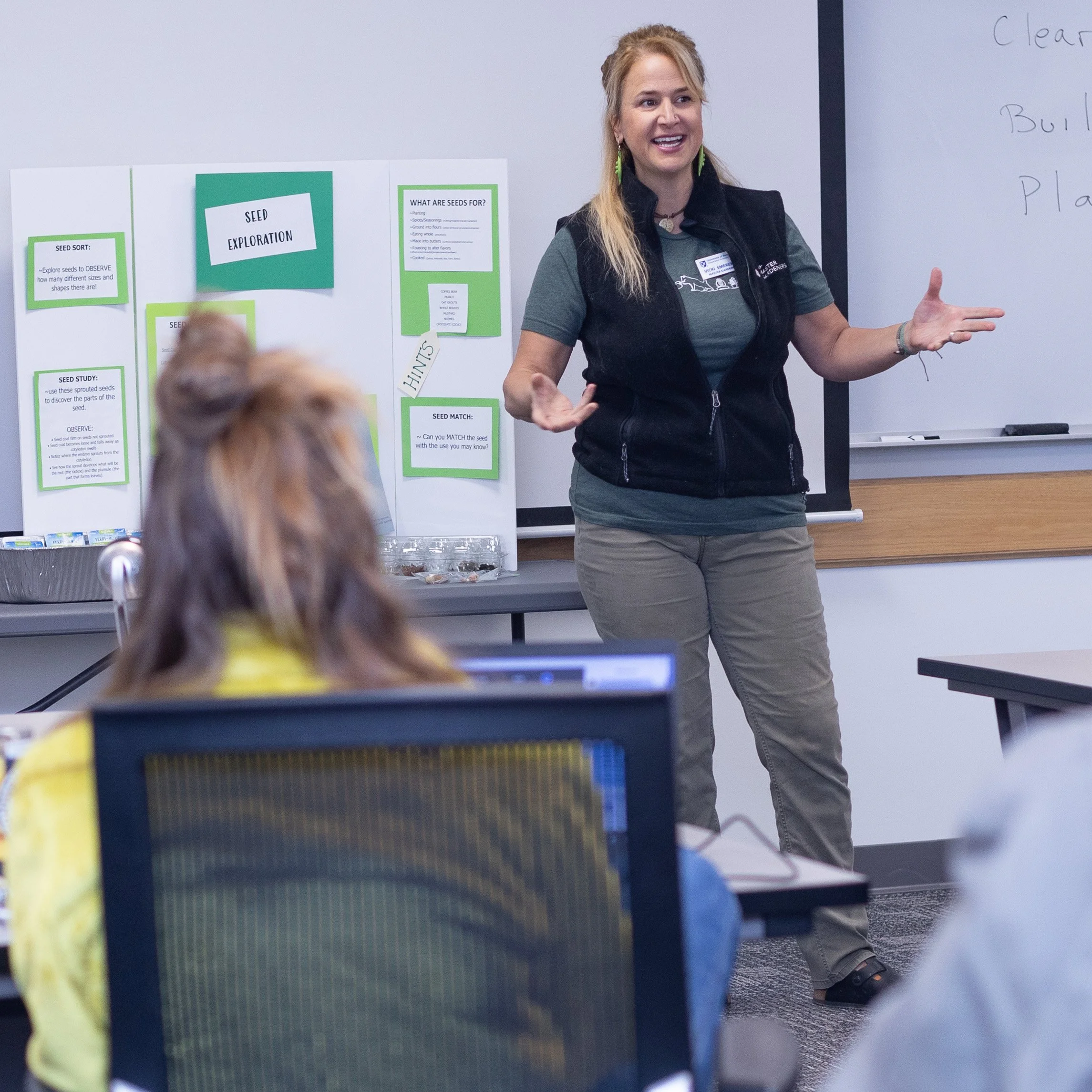
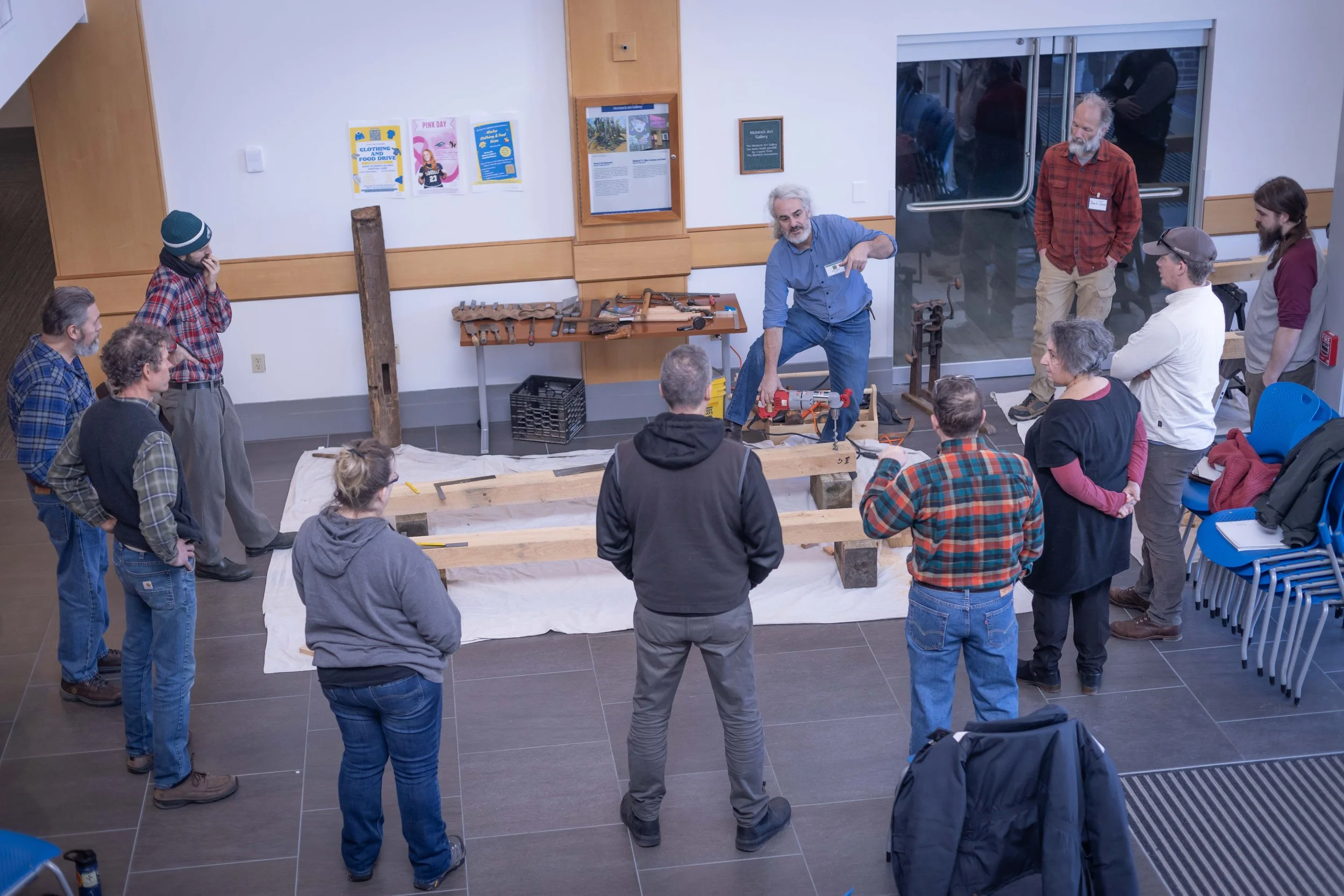
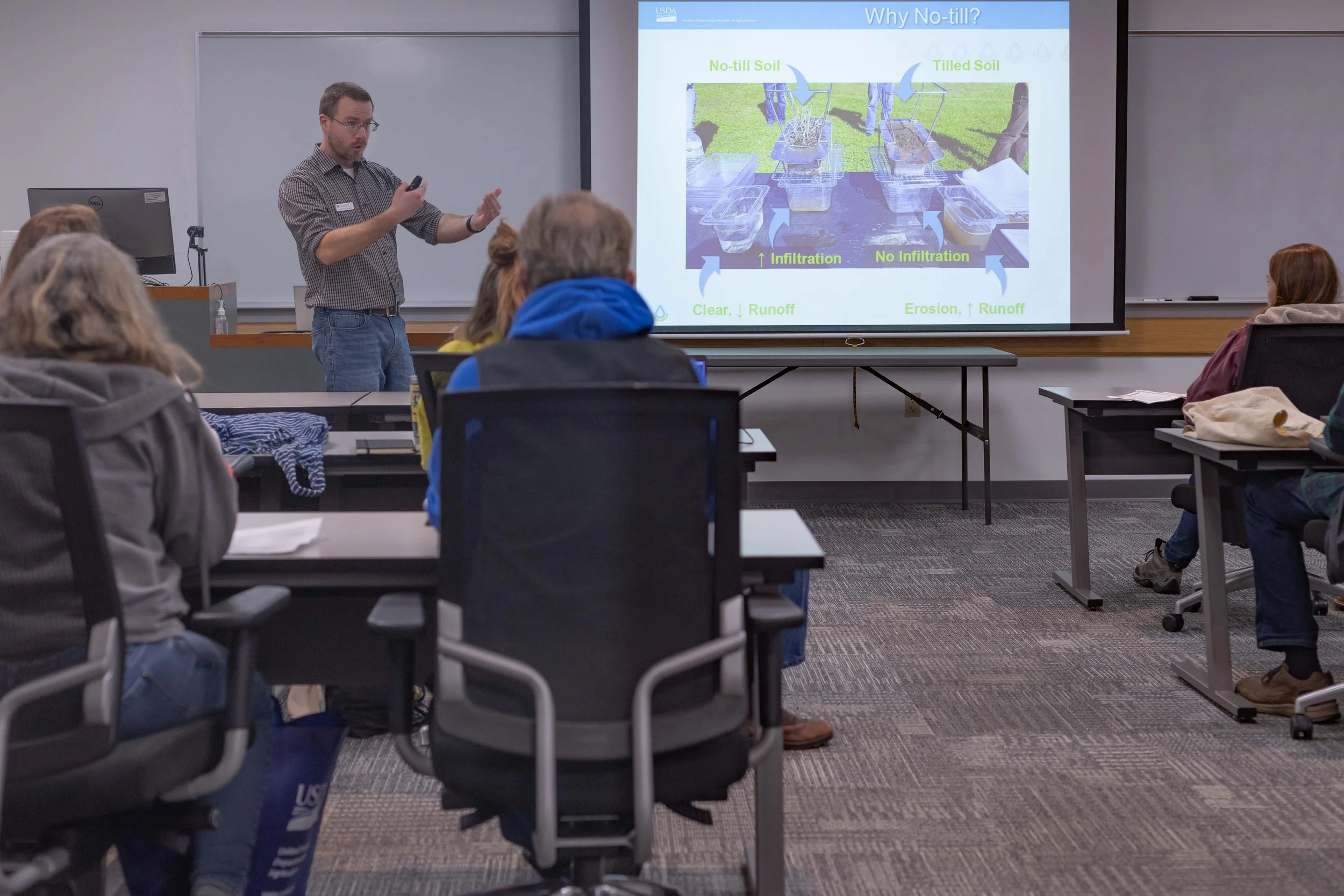

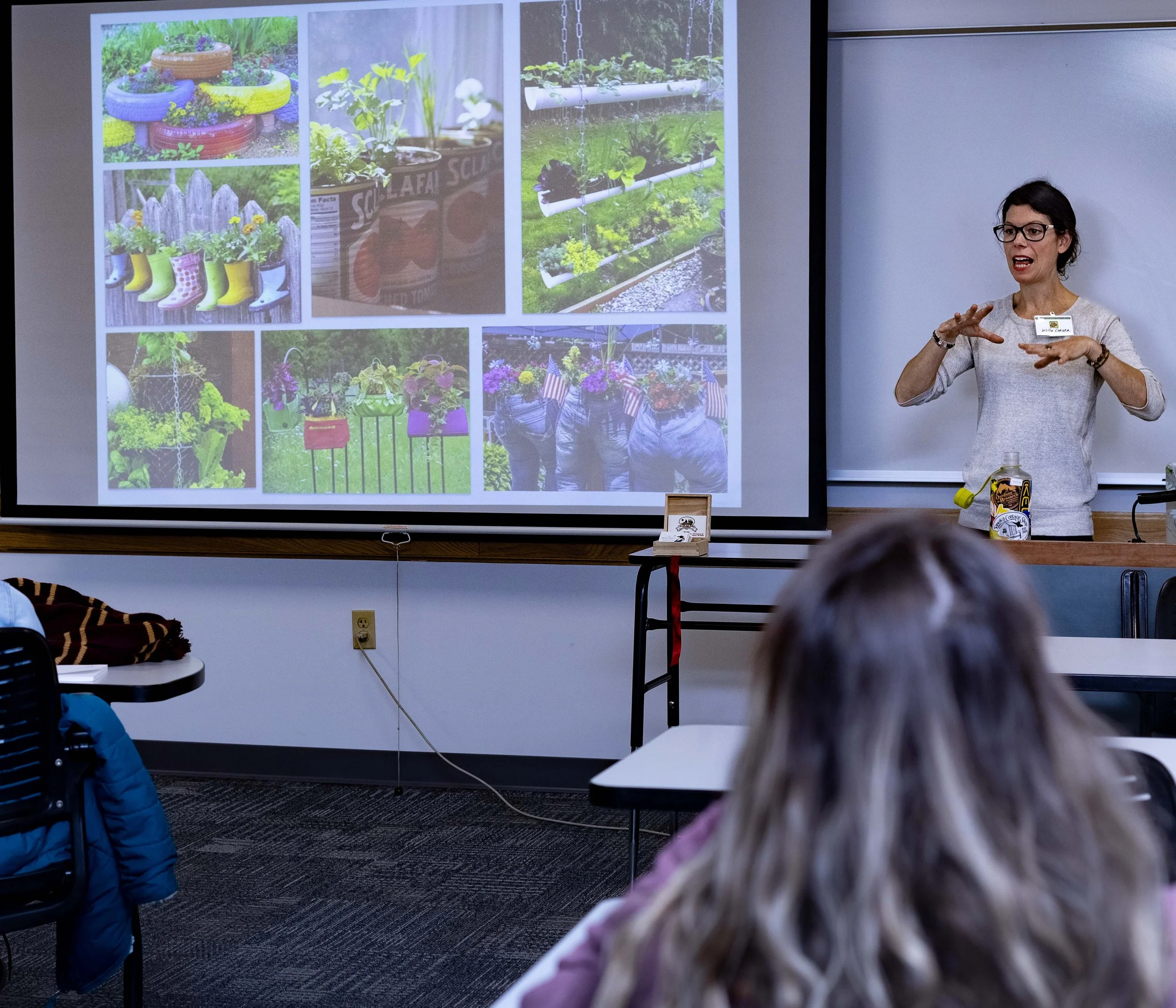
Interested in delivering a workshop at the Winter Conference?
Submit a form by Dec 1, 2026
Workshop Proposal Details
Winter Conference Theme: Resilient Roots, Radiant Horizons
For 25 years, NOFA-NH has gathered farmers, gardeners, and food system advocates who believe another way is possible — one rooted in healthy soil, fair economies, and communities that care for one another. Our very first conference welcomed Wendell Berry, whose writing on land, community, and the true cost of industrial agriculture helped shape the vision this organization was built on. This year, as we mark that milestone, we do so not long after his passing, and we carry his call to imagine a better future even in difficult times: Berry once wrote, "Be joyful though you have considered all the facts." That spirit is our theme. Our roots run deep — in twenty-five years of practice, relationship, and hard-won knowledge about what it takes to grow food without poisoning the land or the people who depend on it. And our horizon is wide — toward more inclusive economic models, land access rooted in justice, and food systems built on care rather than extraction. Resilient Roots, Radiant Horizons is both a tribute to where we've come from and an invitation to imagine, together, where we're going next.
What Makes an Effective Workshop
We prioritize sessions that move beyond passive lectures to spark active shared inquiry and peer-to-peer learning. Highly rated proposals typically feature:
Clear, Actionable Takeaways: Attendees leave with tangible tools, templates, biological management techniques, or organizing strategies they can implement immediately.
Farmer-to-Farmer & Practitioner Grounding: Content rooted in lived, on-the-ground experience—highlighting both what worked and candid lessons learned from failure.
Interactive & Participatory Design: A dedicated balance of instruction and participant engagement (e.g., small-group troubleshooting, hands-on demonstrations, guided discussions, or robust Q&A).
Systemic Awareness: Practical methods framed within our broader agrarian context, connecting day-to-day farm practices to community resilience and structural change.
Proposal Submission Requirements: Structure, Theme & Objectives
When submitting your proposal, please provide the following details in your session outline:
1. Session Format & Time Allocation: Specify your chosen format and provide a rough breakdown of time (e.g., 30 min instruction/case study, 20 min interactive group exercise, 15 min open Q&A).
Standard Workshop (60 min)
Roundtable / Panel (60 min)
Interactive Demo / Masterclass 60 min)
2. Thematic Alignment: Explain (in 2–3 sentences) how your session speaks to Resilient Roots and Radiant Horizons. What bright spot, viable alternative, or leverage point does your work spotlight within the current food system?
3.Measurable Learning Objectives: List 2 to 3 clear learning objectives completing the phrase: "By the end of this session, participants will be able to..." (e.g., identify specific cover crop mixes for drought resilience; adapt cooperative bylaws for shared equipment; navigate state institutional procurement pathways).
Questions? email winterconference@nofanh.org
Workshop Tracks
Track 1: Organic Production & Living Soils
How we grow food — from the soil up.
This track covers the hands-on practices of organic and agroecological farming: building healthy soil, working with nature instead of against it, and adapting to a changing climate. Topics include organic growing methods and planning, soil biology and health, agroforestry, forest farming, no-till growing, climate-resilient perennial crops, livestock and grazing, natural pest and disease management, on-farm seed breeding, and water retention and conservation and more!
Track 2: Economics, Ownership & Markets
Who owns the farm, who controls the market, and how we build fairer alternatives.
This track looks at business and ownership models that give farmers more independence and communities more access to good food — from practical, farm-level business planning tools to bigger shifts in how we think about growth and value. Topics include farmer cooperatives, fair and non-extractive farm financing, land trusts and secure land access for underserved growers, shared equipment programs, local food hubs, institutional food purchasing, farm succession planning, and questioning "growth at all costs" in favor of models built for long-term sustainability.
Track 3: Movement Building, Policy & Food Sovereignty
Organizing for a food system that isn't controlled by corporations and their shareholders.
We're often told there's no real alternative to today's industrial food system — that it's the only way to feed the world. This track pushes back on that idea. Drawing on research and real-world alternatives from around the globe, it explores how communities are organizing to change policy, push back on corporate power in agriculture, remove toxic chemicals from our land and water, support Indigenous and community land stewardship, and build coalitions between urban and rural communities. Topics include community-led land and resource governance, secure land tenure, ending harmful subsidies for corporate agriculture, farm and food policy advocacy, and cross-regional organizing.
Track 4: Community Foodways, Health & Local Resilience
How good food builds healthy, connected communities.
This track explores the connection between organic farming and community well-being — from the food on our plates to the culture and care that surrounds it. Topics include "Food is Medicine" programs and healthcare partnerships, community gardens, seed libraries, food preservation and culinary traditions, small-scale and urban farming, community nutrition programs, and local seed and herbal knowledge.
Submission Requirements
Submission Requirements
Proposals must include the following details:
Presenter Details: Name, farm/organization affiliation, pronouns, contact information, short bio (100 words max), and confirmation of co-presenters.
Session Title: Concise, action-oriented title (10 words max).
Session Abstract: Overview of the presentation and its core themes (150–250 words).
Theme Relevance: Brief explanation (2–3 sentences) detailing how the session demonstrates a working, successful model or tangible opportunity to scale organic agroecology.
Format & Audience Level: Proposed format (lecture, interactive demo, panel) and target track.
Room & Tech Needs: Standard AV (projector/screen) vs. specialized space requirements (e.g., table layouts, outdoor or open floor space for tactile demos).
Honorarium & Registration: Presenters receive complimentary full-day registration to the conference and an honorarium payment of $200.
Timeline & Review Process
Submissions Open: October 1
Submission Deadline: December 1
Review & Selection Window: December 1 – December 10
Presenter Notifications: Mid-December
Final Materials/Slides Due: Two weeks prior to conference day
Selection Criteria:
Clear alignment with agroecological and organic growing principles.
Focus on actionable lessons, replicable bright spots, and systemic solutions rather than single commercial product endorsements.
Prioritization of diverse voices, including BIPOC, LGBTQ+, beginning, and frontline smallholders.
Demonstrated experience with hands-on practice or grassroots community leadership.
We encourage presentations that share perspective from multiple speakers (panel format), engage the audience and are in alignment with our conference theme and tracks.
Workshop Proposal Form
You are welcome to submit multiple RFPs. If you do, please submit a new form for each proposal.
Timeline & Review Process
Submissions Open: October 1
Submission Deadline: December 1st
Review & Selection Window: December 1 – December 10
Presenter Notifications: Mid-December
Final Materials/Slides Due: Two weeks prior to conference day