Organic Recordkeeping
Recordkeeping is essential for producers as it provides a basis for informed decision-making, financial stability, and long-term business viability. By tracking crops, inputs, labor, yields, and sales, producers can understand what is working, identify true production costs, set appropriate prices, and plan more effectively from season to season. Good records also help manage risk by documenting losses, adapting to weather or pest challenges, and learning from past years rather than relying on memory.
Records are required for many types of regulatory processes and provide communication and proof of compliance with regulatory requirements.
Clear records support applications for loans or grants, help train staff, and ensure continuity when businesses are shared, expanded, or passed on to the next generation.
Programs such as USDA organic certification require written proof of practices, inputs, and sales. Organic recordkeeping is how an Organic System Plan is demonstrated in practice. Having clear records can reduce stress during inspections.
The records required for organic certification are the same records that help farmers make sound management decisions.
When organic recordkeeping is separated from everyday business records, it can feel like an added burden. But when these systems are integrated, one set of records can serve many purposes: USDA organic certification, business planning, produce safety, and other program requirements. Rather than extra paperwork, organic recordkeeping becomes a framework that supports efficiency, accountability, and long-term farm success.
Setting up a recordkeeping system can seem daunting. Organic records have specific information that needs to be kept to show that a producer is compliant with the USDA organic regulations. These records must also be accessible to an inspector on a yearly basis at the time of inspection.
Read below for programs that can help you set up your recordkeeping system and develop your Organic System Plan.
Organic Recordkeeping Overview Video Series
Organic Recordkeeping Overview Presentation

This is the slide presentation only. For more rounded-out information watch the videos above.
Effective recordkeeping is the backbone of any successful organic operation. This presentation is designed to simplify and streamline your recordkeeping practices while staying compliant with organic certification standards. Whether you’re a farmer, herbalist, or artisan producer, this will help to equip you with the tools and strategies to track your operations efficiently and confidently.
We will cover the basics of organic certification requirements. Explore ways to record data that's needed using digital tools and templates and finding ways to capture that data that works for you in real time.
A video series guide:
1) An Introduction to the recordkeeping process
2) Getting Started - where to start your recordkeeping system
3) Data Recording - Ways to streamline your record keeping
4) In-depth records needed for Crop & Wild Crops scope
Hear from organic farmers about how organic recordkeeping helps with their business planning and how a mentorship program supports understanding the correlation with organic recordkeeping and business records.
Recordkeeping Templates
& Checklists
View many recordkeeping templates from certifiers, the USDA, and farmers, offering a range of formats to help you meet organic requirements in ways that work for your operation.
Adjust these templates to fit your style of production.
Recording checklists are available for each scope of practice.
For more in-depth information on
Organic Certification and Certifiers visit:
TOPP
Transition to Organic Partnership Program
TOPP will provide valuable services to farmers in the Northeast through:
Farmer-to-Farmer mentorship programs
Technical Assistance trainings
Resource development
Community building opportunities and networking with peers
Help producers overcome technical, cultural, and financial shifts during and following certification
Engage educational and training institutions (including crop advisors and extension agents) on organic workforce training and education, and future human capital planning.
Insight from NH Mentor:
"I did a visit of his [Mentee] fields as well and was able to understand his vision for the farm. It is inspiring to see folks in their 30's understanding the value of following organic production methods to supply healthy nutritious food to our surrounding community. After our field visit we sat down at a computer to go over record keeping methods and crop planning. Particularly how to incorporate organic methods within the crop plan."

Organic Technical Assistance
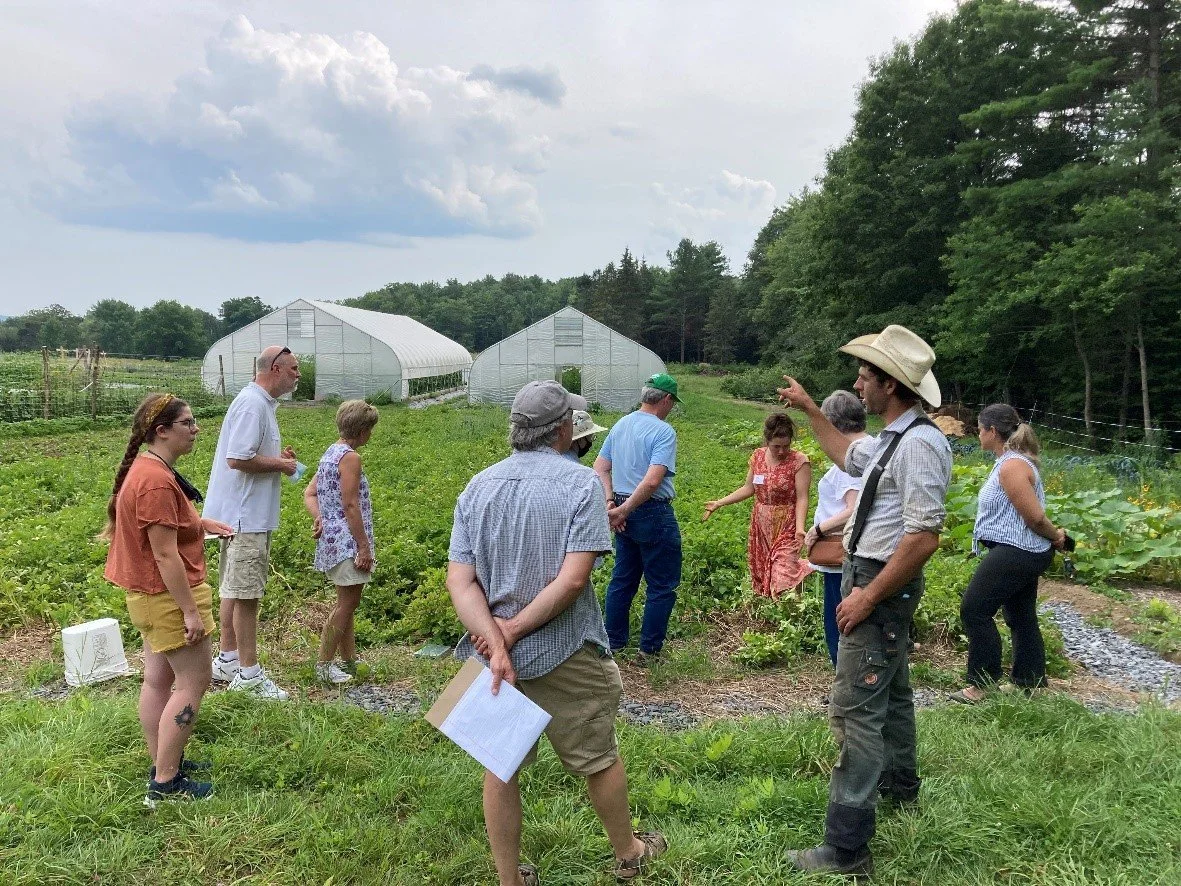
Technical Assistance can look many ways:
TOPP Mentorship
Attending Organic Support Hours
One-to-one organic advising from NOFA-NH
Attending Field Days and Educational events
Help with recordkeeping and Organic System Plan